 English
 Deutsch
 简体中文
 languages


Industry Trends | As 2000MWh Utility-Scale BESS Becomes Standard, How Does Cabinet Hardware Survive a 20-Year Operational Lifecycle?
Across multi-gigawatt renewable energy bases and utility-scale Battery Energy Storage Systems (BESS) in desert, arid, and remote environments, the engineering focus has decisively shifted: from "how much capacity is installed" to "can it reliably operate for 20 years without critical physical failure?"
While BMS, EMS, fire suppression, and liquid cooling architectures are heavily scrutinized, the first line of physical defense is often overlooked: Will the enclosure door seal tightly, open smoothly, and maintain ingress protection 10 to 20 years down the line?
3 New Engineering Challenges for Enclosure Hardware in Utility-Scale BESS:
1. High-Frequency Field Operation vs. Sandstorm Jamming:
Utility-scale BESS sites require frequent inspection and preventive maintenance. In desert environments with extreme day-to-night temperature swings (exceeding 40°C) and penetrating dust storms, conventional lock cylinders easily jam or freeze. If a latch binds or distorts under thermal contraction, a service technician cannot access the cabinet—turning routine maintenance into an expensive off-road field dispatch. Furthermore, improper latch engagement allows sand and moisture ingress, degrading electrical insulation.
2. Dynamic Sealing Decay vs. Ingress Protection (IP65/IP68):
Many enclosures pass factory ingress tests, but performance degrades after several years in the field. Heavy doors gradually settle, compression gaskets suffer permanent compression set, and severe UV radiation accelerates elastomer hardening and micro-cracking. Once the perimeter seal fails, ambient dust and moisture infiltrate the battery compartment, accelerating component aging and thermal runaway risks. This is why leading BESS integrators now specify virgin elastomer formulations, microwave continuous vulcanization, and compression recovery data in their technical procurement specs.
3. Total Life-Cycle Cost (LCC) in Remote Uncrewed Installations:
In uncrewed remote installations, the cost of a single emergency truck roll, specialized labor, and system downtime vastly exceeds the procurement cost of an entire multi-point locking system. Locks, heavy-duty hinges, and sealing gaskets represent a tiny fraction of the enclosure BOM, yet represent the highest cost of physical failure.
Engineering Countermeasures by Sike Intelligent Hardware (Brand: Thcoo):
At Sike Intelligent Hardware, we design hardware specifically to neutralize extreme environmental degradation:
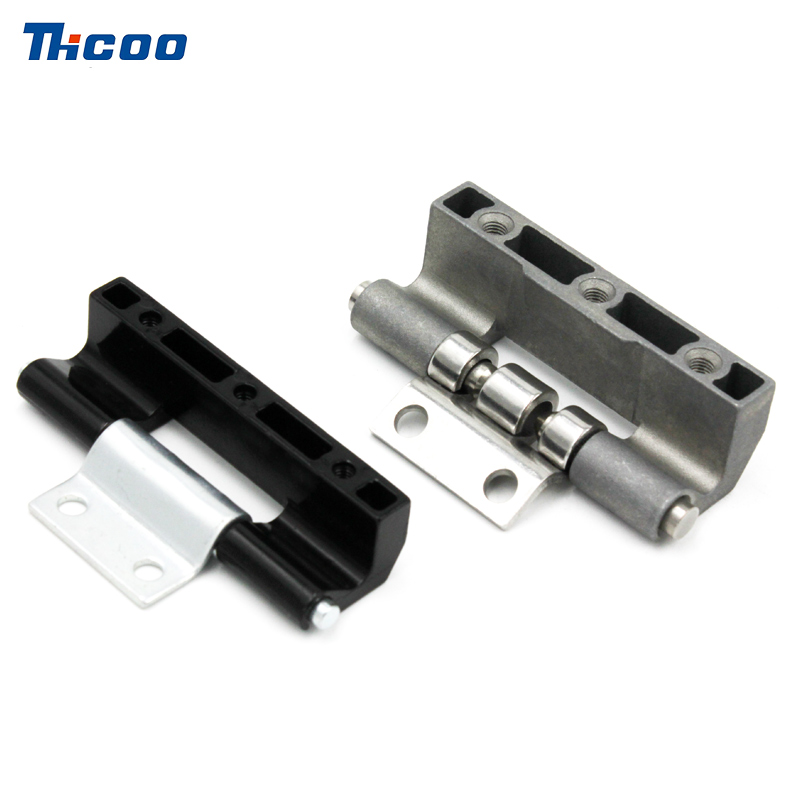
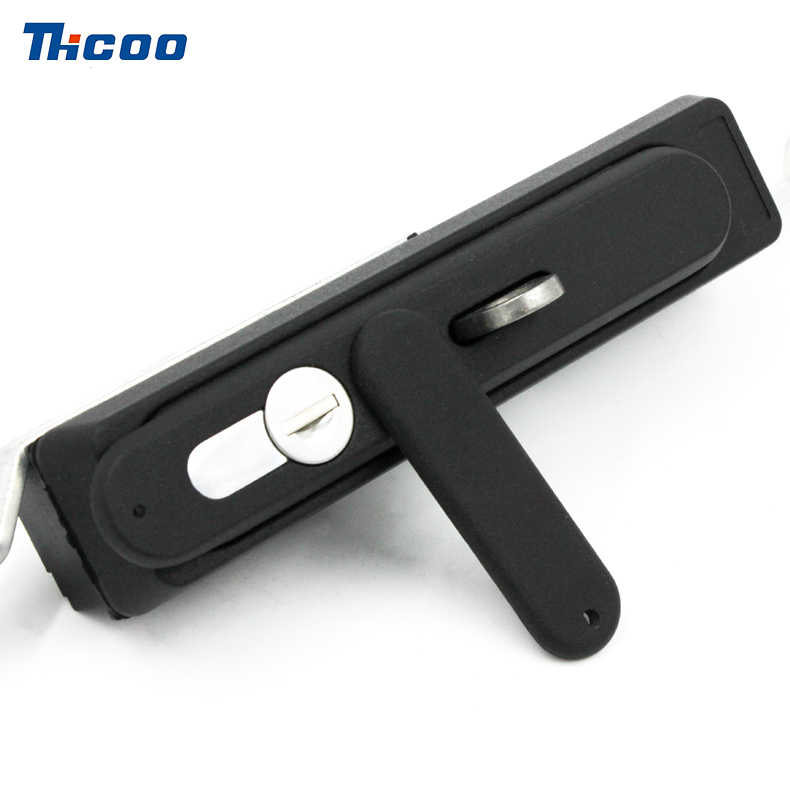
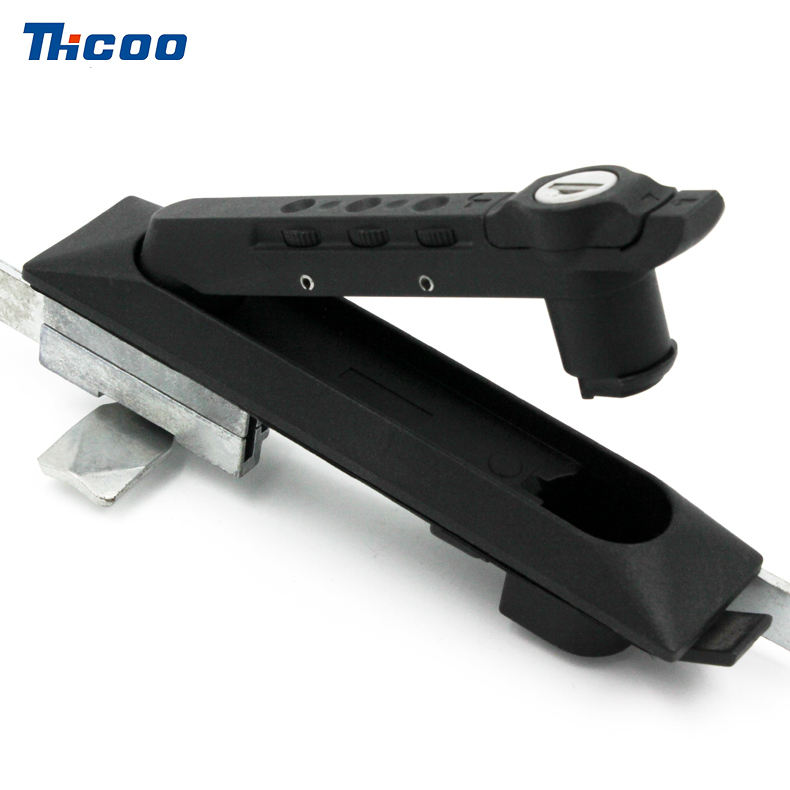
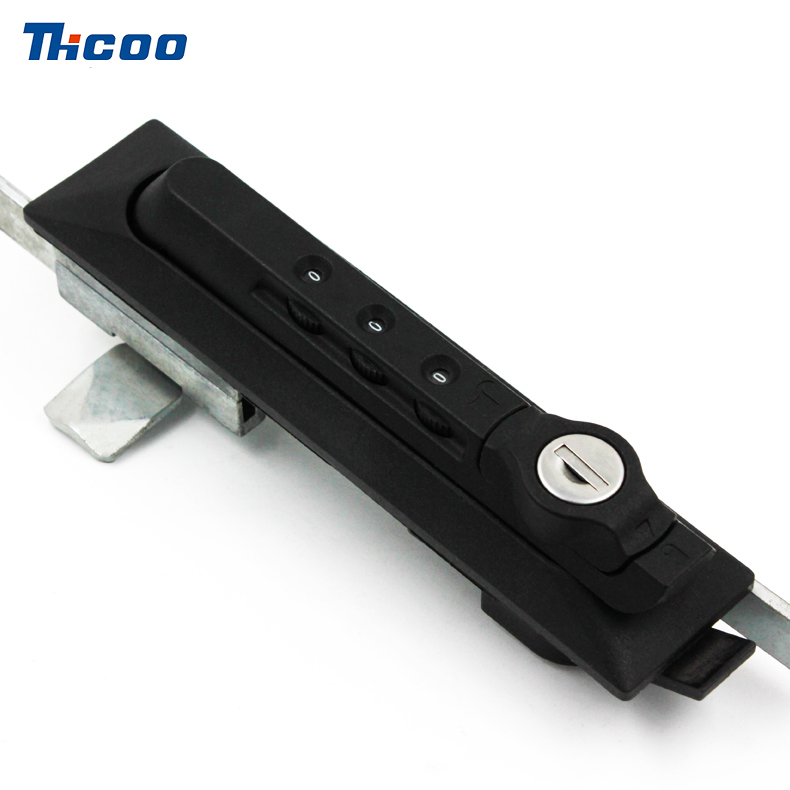
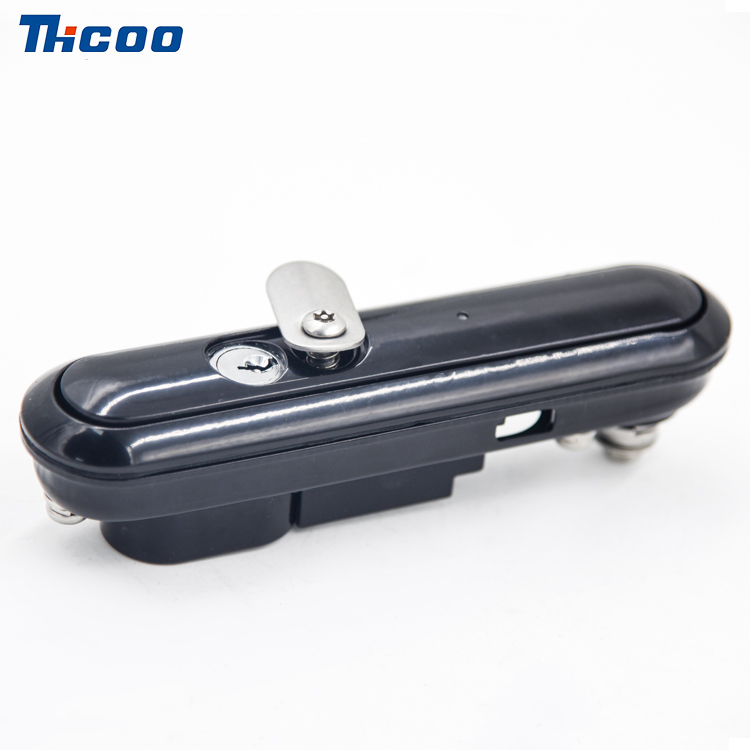
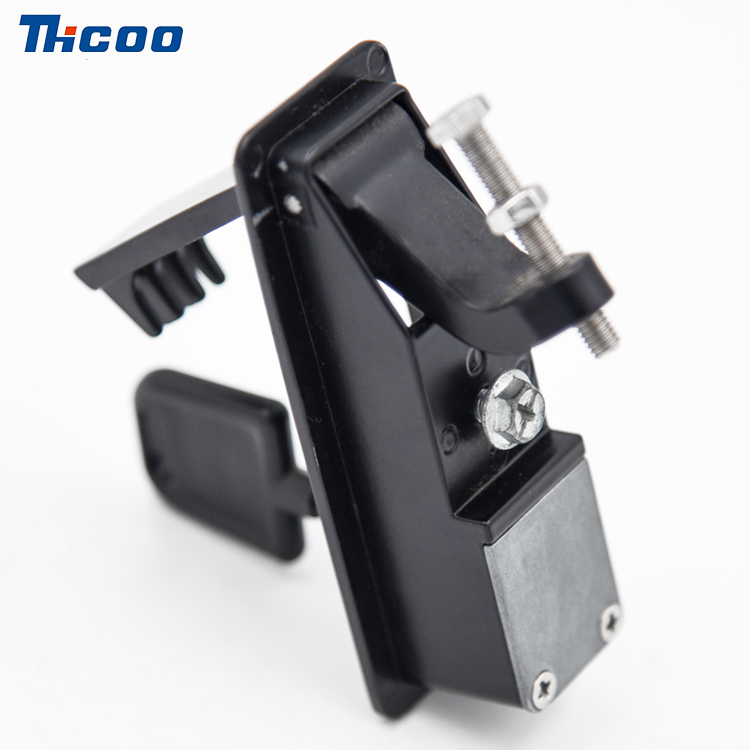
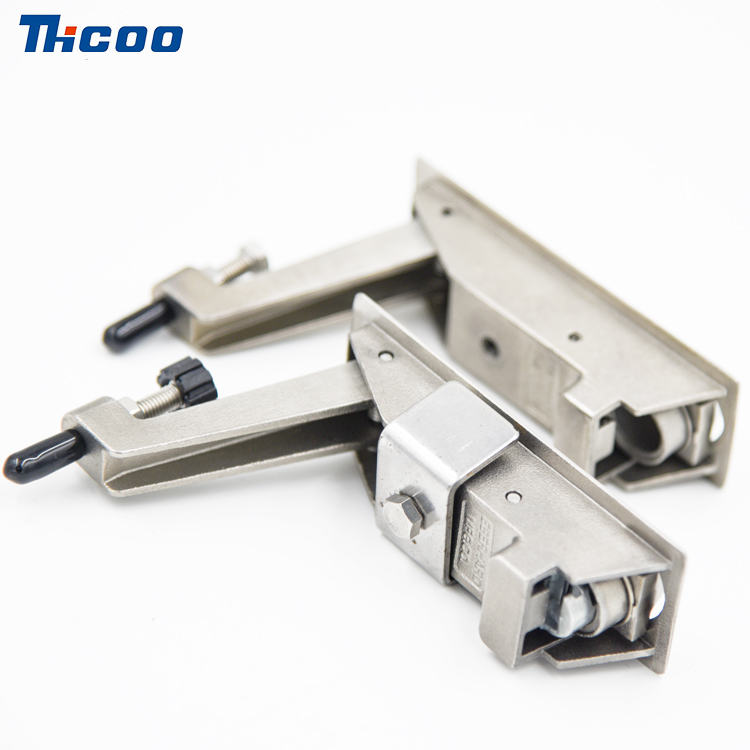
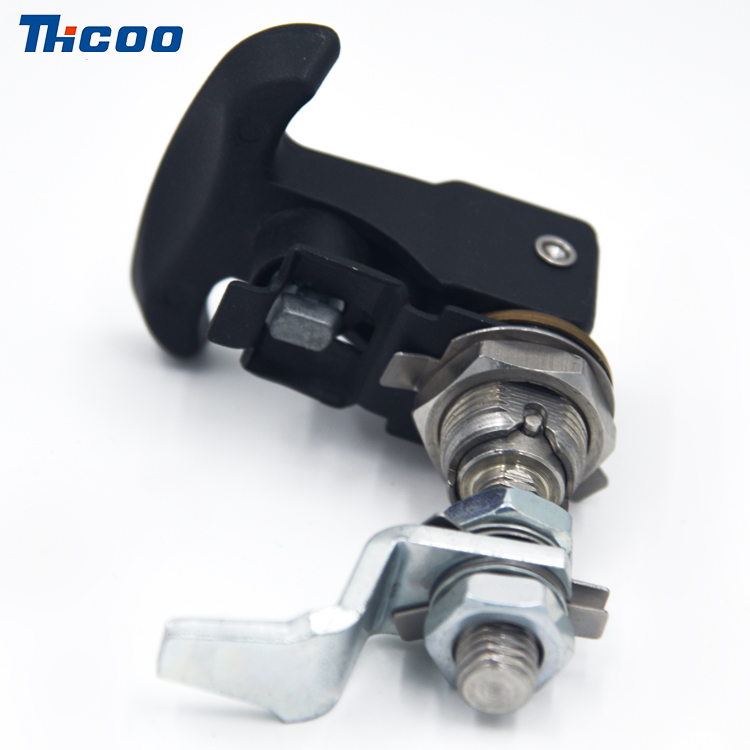
• Anti-Vibration & Smooth Kinematics: High-strength zinc alloy swing handles and multi-point rod systems engineered with anti-vibration detents and smooth 90° rotation to prevent jamming under dust and thermal stress. Heavy-duty hinges maintain precise door alignment over decades.
• Virgin EPDM Weatherproof Sealing: Continuous microwave-vulcanized virgin EPDM gaskets engineered to maintain elasticity and compression recovery across extreme temperatures from -50°C to +160°C, offering long-term UV and ozone resistance.
• Empirical Laboratory Verification: In our provincial-level testing center, production batches undergo ASTM B117 neutral salt spray corrosion testing and extended high/low-temperature thermal shock cycling prior to field deployment.
Recommended Standard Series for BESS & Power Enclosures:
• Multi-Point Rod Locking Systems: Series A8244-1, A8021-1
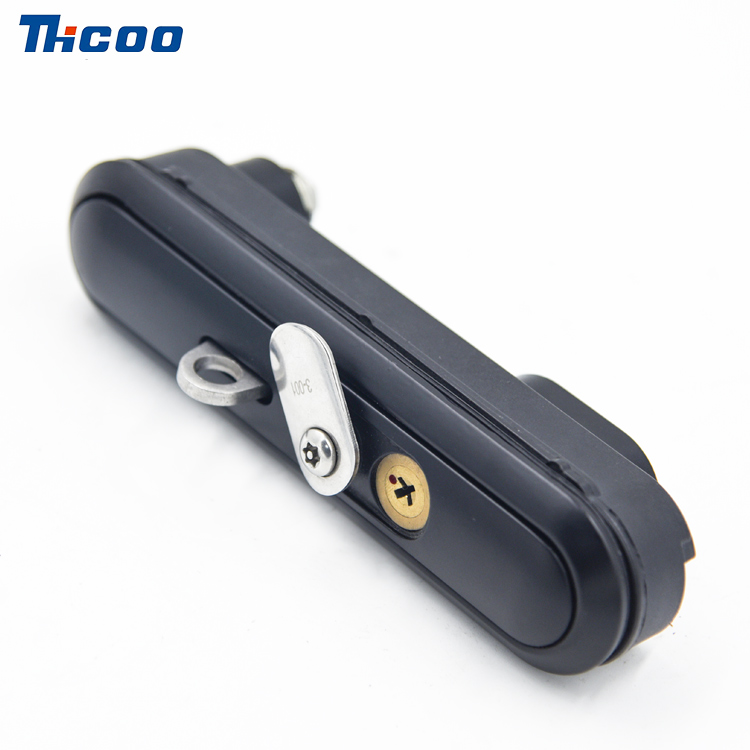
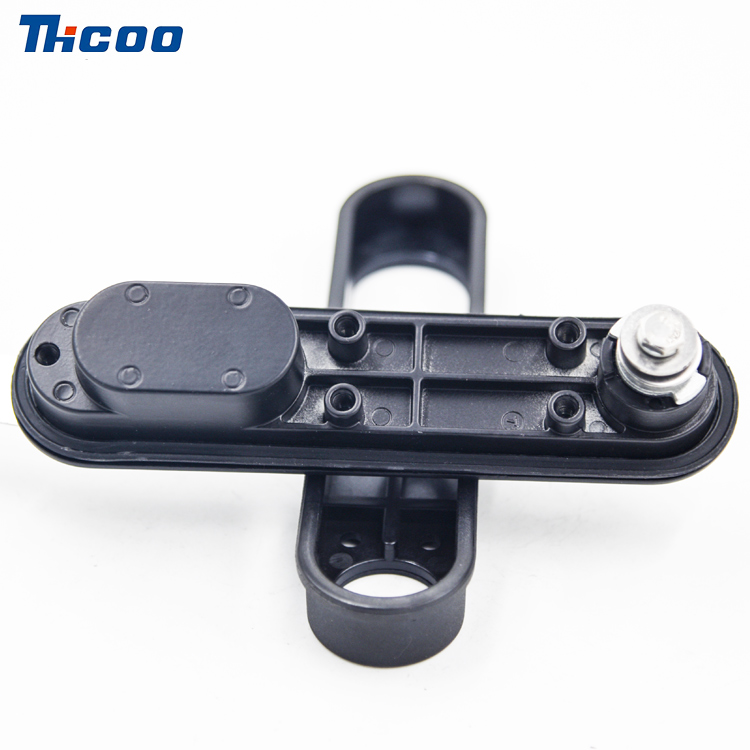
• Flush Plane Swing Handle Locks: Series A7121-1
• Self-Gripping & Co-Extruded EPDM Gaskets: Series 3492-05190, 3491-01290
Hardware is the foundation of physical security. When enclosure doors open reliably and seal tightly, utility-scale BESS assets operate with confidence.
Explore technical drawings, CAD files, and sample requests:
Official Website: https://www.thcoo.com/
Alibaba Store: https://szthcoo.en.alibaba.com/
Engineering Contact: [email protected]